

UK SCAN 2025
Seen too late.
The UK experience of neuroendocrine cancer: findings from the latest Support, Care and Needs (SCAN) survey of people affected by neuroendocrine cancer.
Foreword.
From Lisa Walker, Chief Executive of NCUK
Almost five years.
That is how long, on average, people waited from their first symptom to their neuroendocrine cancer diagnosis.
Behind that figure are people living with unexplained symptoms, uncertainty and the frustration of not being heard. People searching for answers while their cancer goes unrecognised.
The 2025 SCAN survey, which gathered experiences from people living with neuroendocrine cancer in the UK and around the world, revisits the same questions asked six years earlier. The findings make difficult reading. Too little has changed. More than half of UK respondents were initially told they had something else. For one in three, this happened more than once.
For our community, these findings will feel painfully familiar. They reinforce what we found in The Invisible Cancer: neuroendocrine cancer is still too often missed, misdiagnosed and misunderstood.
This is not about blame. It is about making the right knowledge and specialist expertise easier to access, so people have a better chance of getting the answers and care they need.
There is reason for hope. More than six in ten people in the UK had seen a neuroendocrine tumour clinical nurse specialist in the previous 12 months. We know the difference specialist expertise can make. Now we must make it accessible to everyone who needs it.
Our community deserves better than years spent searching for answers. We owe it to everyone living with neuroendocrine cancer, and those still waiting for a diagnosis, to make this cancer more visible, recognise it sooner and ensure people can access specialist expertise.

Lisa WalkerChief ExecutiveNeuroendocrine Cancer UK
From Professor Martyn Caplin, Patron of NCUK
We must do better.
It is disappointing to see how little progress has been made in reducing delays to diagnosis of neuroendocrine cancer over the past six years.
The latest findings show that the average time from first symptoms to a correct diagnosis remains almost five years. More than half of respondents were initially told they had something else. Behind these figures are people living with uncertainty, symptoms and anxiety, often without knowing why they are unwell.
Delayed diagnosis is not simply a matter of waiting longer for answers. As neuroendocrine cancer progresses, opportunities for treatment may become more limited, and the physical and emotional impact on patients can increase. The sooner a patient is diagnosed, the more treatment options are available, even if the cancer cannot be removed surgically.
Neuroendocrine cancer can be challenging to recognise, and no clinician can be expected to know everything. But when symptoms persist, or the explanation does not fit, we must remain open to other possibilities and ensure that specialist advice and appropriate diagnostic investigations are accessible.
Six years on, these findings should prompt us to reflect on why meaningful progress remains so elusive. We need to turn greater awareness into practical improvements in recognition, diagnosis and access to specialist care.
Patients shouldn't have to become experts in their own cancer to be heard. We have a responsibility to take their concerns seriously, recognise when we need further guidance and help them access the specialist expertise they need.
Sometimes, the most important question is simply: what else could this be?
Patients deserve answers sooner. We must do better.

Professor Martyn CaplinProfessor of Gastroenterology and Neuroendocrine Cancer, Royal Free Hospital (European Centre of Excellence) and Patron of NCUK
What is neuroendocrine cancer?
Neuroendocrine cancer begins in the neuroendocrine cells, found throughout the body. These cells have the ability to release hormones that can regulate body functions. When they become cancerous, their growth rate and normal function is disrupted.
Around 70% of neuroendocrine cancers are neuroendocrine tumours (NETs), which typically grow more slowly. Those with a NET diagnosis may face living with this cancer as a chronic incurable condition. 30% are neuroendocrine carcinomas (NECs), which are generally more aggressive cancers. The distinction is important because it affects treatment and prognosis.
The most common symptoms include unintentional weight loss, fatigue, pain, diarrhoea, bloating, heartburn, asthma-like symptoms, flushing and a persistent cough.
Neuroendocrine cancers start anywhere in the body and symptoms vary greatly between people, which makes early detection difficult.
NCUK's earlier report, The Invisible Cancer (opens in a new tab), explains neuroendocrine cancer, why it can be difficult to recognise and the impact of delayed diagnosis. This report builds on that work.
About SCAN 2025.
The Support, Care and Needs (SCAN) survey is an international survey led by the International Neuroendocrine Cancer Alliance (INCA), exploring the experiences of people affected by neuroendocrine cancer.
The findings offer an important insight into the challenges people face in accessing diagnosis, treatment and care, and how the UK experience compares with the wider international picture.
The experiences described in this report include people living with both neuroendocrine tumours (NETs) and neuroendocrine carcinomas (NECs), which can differ substantially in symptoms, progression and treatment.
The 2025 survey gathered responses from almost 3,000 people across more than 50 countries. This report focuses on the experiences of 341 respondents in the UK, who took part between September and December 2025. This represents almost 1% of the estimated 36,000 people living with neuroendocrine cancer in the UK, providing valuable insight into the experiences of a community whose cancer remains widely under-recognised.
We are grateful to INCA for leading the survey and making these findings available.

At a glance.
4.7 years
average time from first symptoms to a neuroendocrine cancer diagnosis.
Over half
were initially told they had something other than neuroendocrine cancer (51.9%)
Around 1 in 3
were given more than one alternative diagnosis (33.7%)
Only 1 in 4
received the correct diagnosis first time (24%)
More than 6 in 10
had seen a specialist NET nurse in the previous 12 months, compared with fewer than 3 in 10 people globally (61.3% compared with 27.6%)
Six years on, experience remains stubbornly familiar.
In 2019, people in the UK who had been misdiagnosed waited an average of 4.4 years for a correct diagnosis. In 2025, this was 4.7 years.
Almost one in three people waited six years or more for a diagnosis. Research has also found that patients visit their GP an average of 11 times before neuroendocrine cancer is diagnosed.
Behind these figures are people living with prolonged uncertainty, repeated appointments and time spent without the right explanation or care. For some people, neuroendocrine cancer is associated with an inherited genetic syndrome. Delayed diagnosis can mean the syndrome is not recognised promptly, potentially delaying diagnosis and monitoring for other family members who may be affected.
Source for the 11 GP visits: Basuroy et al. (2018), Delays and routes to diagnosis of neuroendocrine tumours, BMC Cancer 18:1122.
Missed. Misdiagnosed. Misunderstood.
Around 6,000 people are diagnosed with neuroendocrine cancer each year in England, that’s one person every 90 minutes. More than 36,000 people are living with neuroendocrine cancer in the UK at any one time, making it more common than those living with stomach cancer and pancreatic cancer.
“The current situation for diagnosing rare cancers, including neuroendocrine cancer, is unacceptable. People can seek help repeatedly and undergo significant investigations without reaching a definitive diagnosis. Delays can mean that people miss the opportunity for curative treatment, while continuing to live with severe, unmanaged symptoms.
We need to improve recognition of these cancers and support clinicians to recognise when a diagnosis may need to be reconsidered, when alternative explanations should be explored and when further investigation is needed. This will improve the chances of diagnosing neuroendocrine cancer earlier.”
 Prof. Tahir Shah, Consultant Hepatologist and Transplant Physician, Head of Birmingham Neuroendocrine Tumour Centre and Chair of UKINETS
Seen too late
In the UK, more than half of people who took part in SCAN 2025 were initially told they had something other than neuroendocrine cancer, compared with 40% globally. The UK was among the countries with the highest proportion reporting an alternative initial diagnosis.
The most common alternative diagnoses included irritable bowel syndrome (IBS), other digestive conditions, and anxiety or psychosomatic explanations.
These conditions are much more common, and symptoms will often have an explanation other than cancer. The challenge is recognising when symptoms persist, change or do not fit the initial explanation, and knowing when further investigation may be needed.
Lower is better
Initially told they had something else
UK51.9%Global40.0%
Every condition people were told they had first
Irritable bowel syndrome (IBS)
UK41.8%Global29.8%Gastritis or another digestive disorder
UK30.5%Global33.8%Anxiety or a psychosomatic-type condition
UK20.3%Global20.0%Another cancer
UK16.4%Global17.9%Menopause
UK11.9%Global10.1%Gall bladder dysfunction
UK11.3%Global11.0%Allergies
UK10.2%Global11.4%Asthma
UK7.9%Global7.5%Inflammatory bowel disease (Crohn's disease, ulcerative colitis)
UK6.8%Global8.8%Another condition not listed
UK24.9%Global19.9%
Why earlier diagnosis matters.
Earlier diagnosis can create more opportunities for treatment and care. More than half of people diagnosed with neuroendocrine cancer are diagnosed with advanced disease, limiting treatment options and increasing the complexity of care. Evidence from the English cancer registry shows that five-year survival varies substantially by stage at diagnosis for some types of neuroendocrine cancer.
For small intestine NETs, five-year survival was 86% when diagnosed at stage 1, compared with 43% at stage 4. For pancreatic NETs, it was 87% at stage 1 compared with 26% at stage 4.
Higher is better
Small-intestine NETs: five-year survival
Stage 186%Stage 443%Pancreatic NETs: five-year survival
Stage 187%Stage 426%
These figures show an association between stage at diagnosis and survival. They do not prove that diagnostic delay alone causes a later-stage diagnosis or poorer survival, and the SCAN survey does not link individual respondents' diagnostic experiences to their stage at diagnosis.
However, they underline why timely investigation and access to appropriate expertise matter.
“The sooner a patient is diagnosed, the more treatment options are available, even if the cancer cannot be removed surgically.”
Source: White et al. (2022), Cancer Registry England data, 2012–2018, published in The Lancet Regional Health – Europe, 23:100510.
Living with the invisible cancer
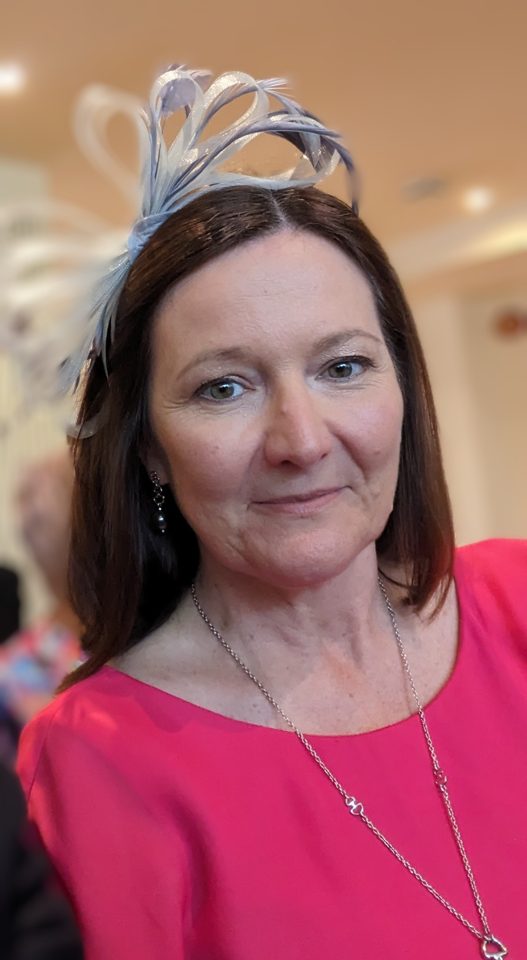
“Part of the exhaustion that came with my diagnosis was having to explain my cancer to others. If someone has stage 4 metastatic cancer of a different type, people tend to nod and lean in to listen or empathise – they have at least heard of it. When you say you have stage 4 metastatic neuroendocrine cancer, people just look dumbfounded – this needs to change, especially as so many patients are diagnosed when the disease is already stage 4.
I am very lucky to be part of an ever-growing number of cancer patients living well with stage 4 metastatic disease, which is not necessarily always terminal but is definitely incurable. Although people can and do die of neuroendocrine cancer.
Greater awareness matters. People affected by neuroendocrine cancer should not have to explain their diagnosis before they can be understood. The disease needs to be better recognised, understood and taken seriously.”
Making earlier recognition possible.
This isn't about asking GPs to spot every less common cancer. No clinician can be expected to recognise every unusual presentation.
The answer is to make relevant information, guidance and specialist expertise easier to access, so neuroendocrine cancer can be considered and investigated when appropriate.
Earlier recognition creates more opportunity to investigate symptoms and reach the right diagnosis. Better access to specialist teams and communication between professionals can also help ensure people receive appropriate care and don't fall between the gaps.
We need a system that helps clinicians know when to look again, where to seek advice and how to connect people with the right expertise.
There is expertise to build on.
The UK has a strong community of healthcare professionals with specialist knowledge of neuroendocrine cancer, supported by more than 20 specialist centres across the UK. These centres bring together multidisciplinary expertise to support diagnosis, treatment and ongoing care.
SCAN 2025 found that people in the UK were more likely than the global sample to have seen a specialist NET nurse and to have their care discussed by a multidisciplinary team. The challenge now is to build on these strengths and ensure everyone can access the right specialist care and support, wherever they live.
Higher is better
Saw a NET clinical nurse specialist
UK61.3%Global27.6%Had their care discussed by a multidisciplinary team
UK51.3%Global35.6%
But being seen isn't just about diagnosis.
For many people, the experience of not being understood does not end with a diagnosis.
Interim findings from NCUK's 2026 community survey found that more than three in four respondents (76.1%) ‘regularly’ or ‘constantly’* felt their symptoms were dismissed or not taken seriously because they “look well”.
Neuroendocrine cancer is not always visible to others. Symptoms can fluctuate, and the impact of the disease may not be obvious from someone's appearance.
These findings underline the importance of listening to people affected by neuroendocrine cancer and recognising that someone can look well while living with a complex, life-changing cancer. When people feel their experiences are not understood or taken seriously, an already difficult journey can become even more isolating.
Interim findings from NCUK's 2026 community survey are based on responses received at the time of publication. The survey remains open and figures may change.
More than 3 in 4
‘regularly’ or ‘constantly’* felt their symptoms were dismissed or not taken seriously because they “look well” (76.1%)
* ‘Regularly’ and ‘constantly’ were answer options in the survey question.
NCUK's 2026 community survey, interim.
Living with the invisible cancer

“Neuroendocrine cancer was never considered during the eighteen months it took to reach my diagnosis. Despite numerous investigations, the cancer remained undetected because the specialist tests needed to identify it were not considered. Without awareness of the disease, time was lost, resources were wasted, and the impact on my peace of mind and health was significant.
Staff at my local hospital were kind, but it was me who was researching the disease, finding out about Centres of Excellence, googling the names of staff in the department and passing them on to the local team to contact. This was frustrating, stressful and avoidable.
An unrecognised cancer requires the patient to navigate their own way through a system that cannot see what is wrong. This is what it means to live with an invisible cancer.”
What do people say would make the biggest difference?
When asked what would improve their experience, UK respondents most often identified better understanding of neuroendocrine cancer among healthcare professionals.
More than 7 in 10
wanted healthcare professionals to have a better understanding of neuroendocrine cancer (72.1%).
SCAN 2025. More than one answer allowed.
What needs to change.
Earlier recognition of neuroendocrine cancer
Improve understanding of neuroendocrine cancer and help clinicians recognise when symptoms need further investigation.
Better access to specialist expertise
Make specialist advice, knowledge and services easier to access.
More joined-up, coordinated care
Improve communication and coordination between healthcare professionals and services, so people experience joined-up care rather than disconnected parts of a system.
These changes require action across the healthcare system. No single clinician, service or organisation can address these challenges alone.
Nobody should have to spend years searching for answers while living with undiagnosed cancer. Earlier recognition of neuroendocrine cancer is possible, but only if we all help make this invisible cancer visible.
Help us make the invisible visible.
For healthcare professionals
- Be aware of neuroendocrine cancer. Keep it in mind when speaking with patients.
- Listen carefully. If someone keeps coming back with persistent symptoms, there may be more going on.
- Remember Jess’ Rule. Symptoms need to be resolved or explained before a patient is discharged.
For patients, families and the public
- Trust your instincts. You know your body better than anyone.
- Keep the conversation going. If symptoms don’t improve, it’s okay to see your GP again.
- Speak up and spread the word. Talking about neuroendocrine cancer helps others get diagnosed sooner.
Could it be neuroendocrine cancer?
Neuroendocrine cancer is often called ‘invisible cancer’ because symptoms are non-specific, affect multiple body systems, and are frequently misdiagnosed.
Symptoms checklist.
Look for patterns, not just individual symptoms.
For the public: Ongoing symptoms from more than one group? Ask your GP if neuroendocrine cancer has been considered.
For healthcare professionals: Consider neuroendocrine cancer in patients with unexplained, multi-system or treatment-resistant symptoms, particularly with repeat presentations.
Think Jess’ Rule: Reflect. Review. Rethink.
Digestive & abdominal
- New onset symptoms of IBS in people aged 50+
- Persistent bloating or wind
- Gastric disorders including heartburn
- Abdominal pain, discomfort or cramping
- Altered bowel habit: diarrhoea/constipation/fatty stools (steatorrhoea)
Respiratory
- Persistent dry cough
- Asthma symptoms
- Unexplained wheeze or shortness of breath
Hormonal & flushing
- Skin redness without sweating (dry flushing)
- Palpitations
- Menopause symptoms
- High/low blood sugar (hyper/hypoglycaemia)
General
- Fatigue
- Headache
- Allergy-like symptoms
- Anxiety and low mood symptoms
- Unintentional weight loss
Help spread the word. Share our resources on social media, in GP surgeries, community settings and workplaces.
Find out more at

Read the full report.
Every finding, chart and story in this report, in one document to read, print or share.
Updated 5 November 2026
Supported by

About Neuroendocrine Cancer UK.
Neuroendocrine Cancer UK (NCUK) is a charity dedicated to supporting people affected by neuroendocrine cancer, including neuroendocrine tumours (NETs) and neuroendocrine carcinomas (NECs).
Founded 26 years ago by patients, families and healthcare professionals, we provide trusted information and compassionate support, raise awareness, fund research and campaign for better care and outcomes.
We are guided by the experiences and needs of our community, working to ensure neuroendocrine cancer is better understood, recognised and prioritised.